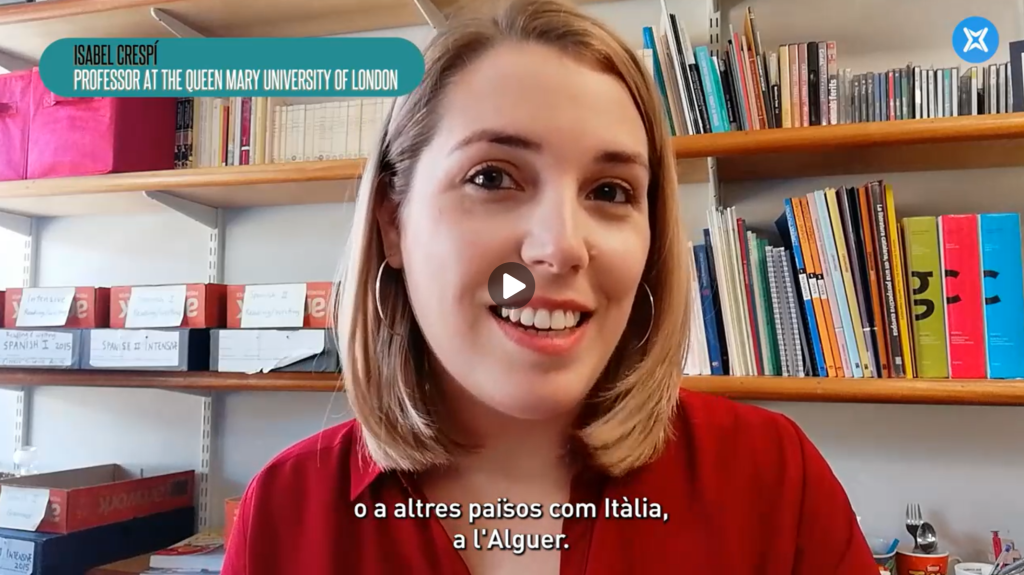
The Administrator of the Centre for Catalan Studies, Dr Isabel Crespí, has just participated in the last episode of the TV programme “The Weekly Mag” talking about her experience of teaching Catalan at QMUL.
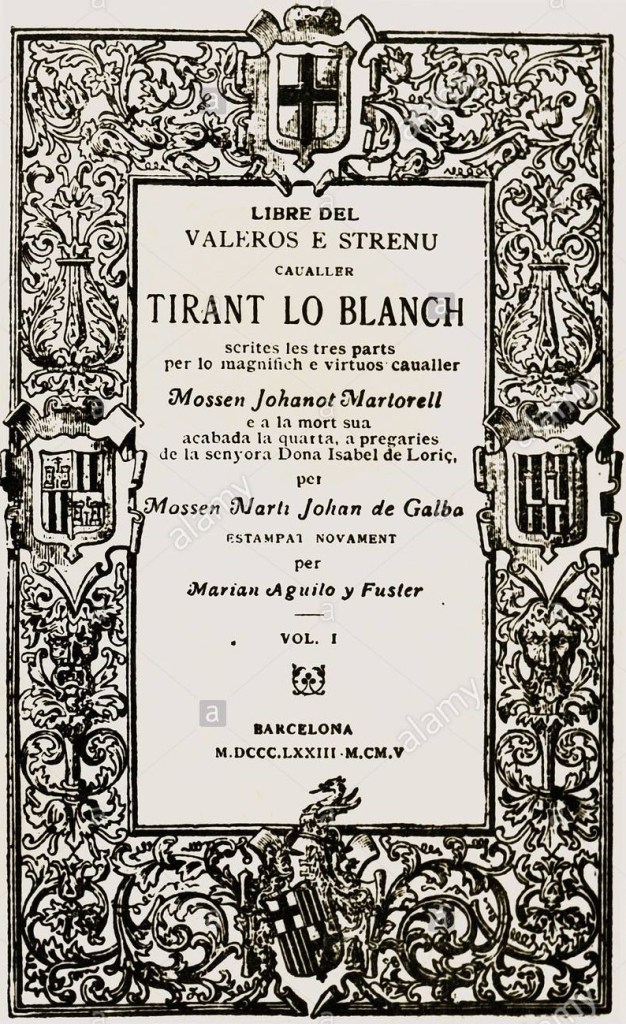
Dr Joan Mahiques-Climent, from the Universitat Jaume I, has been working at the Centre for Catalan Studies with Professor John London. Dr Mahiques-Climent has been awarded a grant from the local government of Valencia for his stay and his research project is focused on the representation of the Castle of Love in chapters LIII-LV of Tirant lo Blanc. These chapters describe some of the festivities for the king of England’s wedding with the princess of France. One of the aims of this research is to determine whether there is a relationship of dependence between this passage and the English literary tradition of the same period.
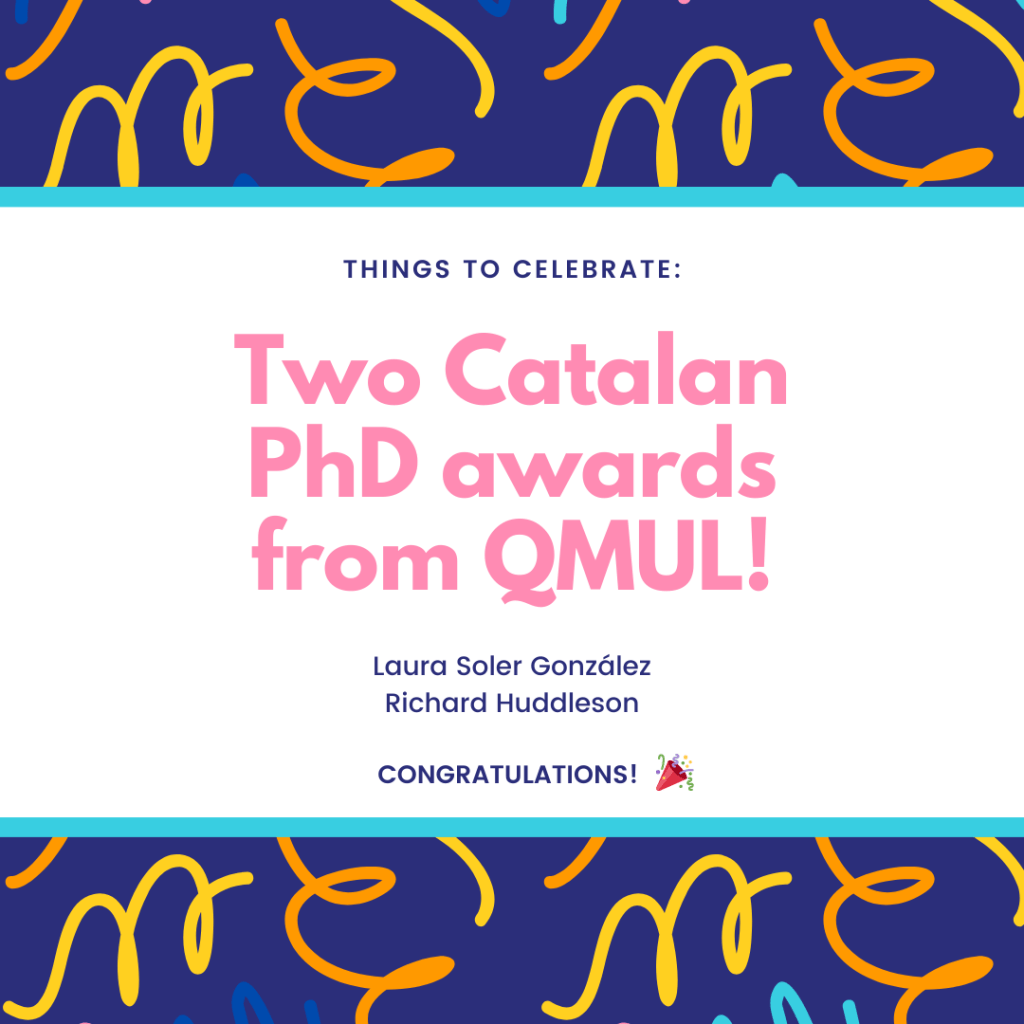
We are delighted to announce two Catalan PhD awards from QMUL.
One is to Laura Soler González for her thesis “The Use of Humour, Irony and Parody in the narrative of Pere Calders”. The date of the award is 31 May 2021 and the thesis was supervised by Omar García and Mari Paz Balibrea (Birkbeck).
And the other one is to Richard Huddleson for his doctoral thesis on “Translating Queer Catalan Drama for the Irish Stage”. The date of the award is 30 April 2021 and the thesis was supervised by John London and Robert Gillett.
Dr Richard Huddleson / Riocárd Ó hOddáil, who did his PhD at the Centre for Catalan Studies QMUL, has just received a grant from the Institut Ramon Llull to translate the book Transbord, written by Majorcan author Sebastià Portell. The book, which is a theatre text about transgender identity, is originally written in Catalan and Richard will translate it to English.
The LXVI Anglo-Catalan Society Annual Conference will be held at the University of St Andrews from 5 to 7 November 2021
We encourage members and non-members alike to attend the conference and take advantage of this excellent opportunity to hear stimulating papers, engage in lively discussion and enjoy meeting with colleagues and friends, either in person or online. As things stand, it is envisaged that the bulk of the conference activities will take place online. If possible, however, some papers will be given, and some events held, in person. Further information will be emailed to all participants in due course.
UCD POST-DOCTORAL RESEARCH FELLOW LEVEL 1 IN THE CATALAN LANGUAGE, SCHOOL OF IRISH, CELTIC STUDIES AND FOLKLORE, 36 MONTHS
The postdoctoral fellow will work as part of a research team on a project entitled ‘Youth Engagement in European Language Preservation (1900-2020)’, funded by the European Research Council.
The position will be for 3 years, and the successful candidate will be based in the School of Irish, Celtic Studies and Folklore, University College Dublin.
Our recent PhD graduate, Dr Richard Huddleson / Riocárd Ó hOddail has been awarded a Generalitat de Catalunya research prize, worth 4,200 EUR, by the Institut d’Estudis Catalans.
The prize will allow Richard to carry out an in-depth analysis of infidelity, cross-dressing, and marital scandal in two Early Modern plays from Mallorca. Given the plays’ wild content, with open criticism of the Roman Catholic Church and a mockery of the supposed moral virtues of its clergy, both anonymous works grant us insight into power structures and sexual agency in Early Modern Mallorca. In order to bring these vibrant stories to life elsewhere, the plays will also be translated from Catalan into English as part of the project.
This research has partly emerged from Richard’s doctoral thesis on queer Catalan theatre and will serve to augment his new project, ‘Queer(y)ing Golden Age Theatre’, when he takes up his position as Ahmanson-Getty postdoctoral fellow at the UCLA Centre for 17th and 18th Century Studies, as part of the ‘Resituating the Comedia’ core programme.
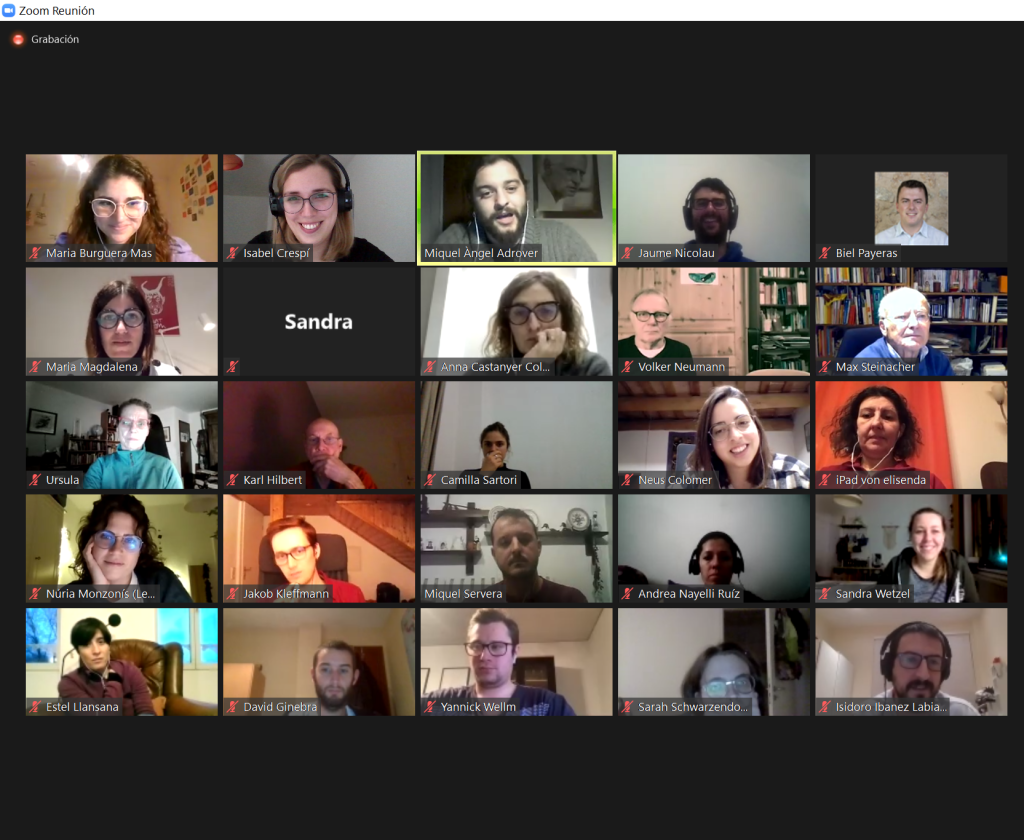
On the 27th of January the Centre for Catalan Studies co-hosted a workshop about Sant Antoni festivities in Mallorca and a “gloses” battle
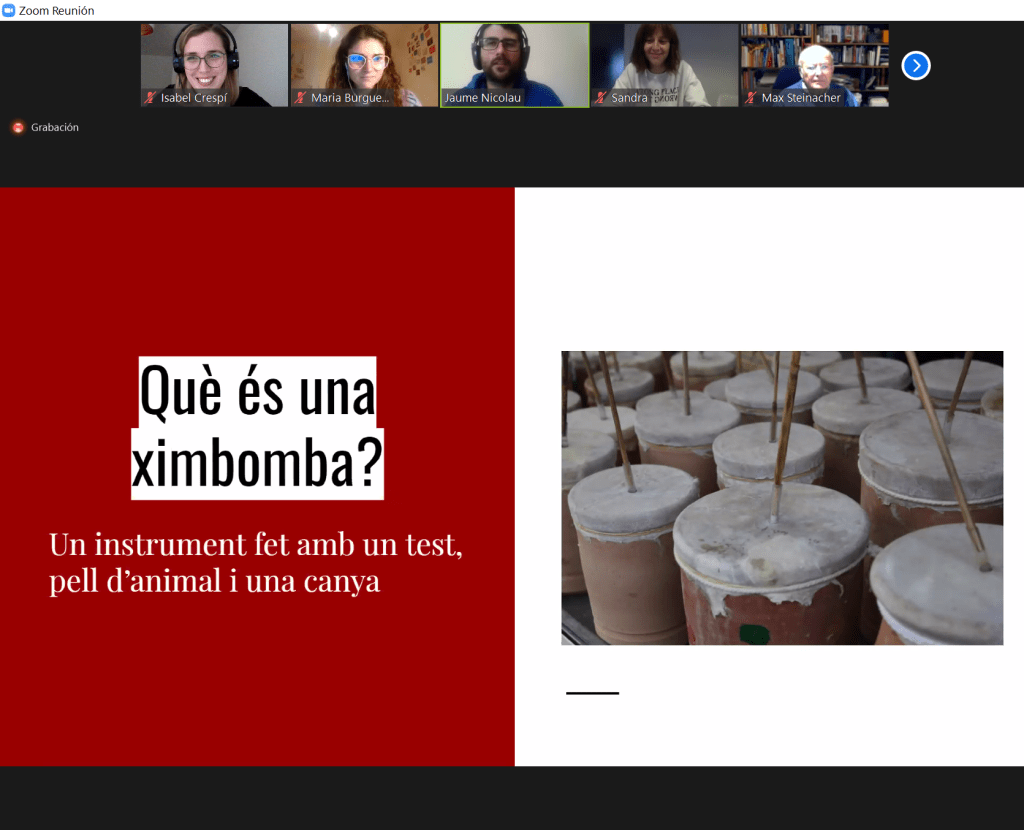
Celebrated on the 17th of January, Sant Antoni festivals evoke the not so distant agricultural past of the island. Full of typical elements such as demons, foguerons (bonfires) or the Beneïdes (animal blessings), its music (“gloses”) and instruments (“ximbomba”) make this celebration one of the most loved by Majorcans. Of all the municipalities that celebrate this festival, Sa Pobla stands out the most. That is why we had some invited speakers from “Col·lectiu Sa Negreta” to tell us how this day is celebrated in Sa Pobla.
After their talk, we enjoyed a prerformance by two “glosadors” (“gloses” singers): Miquel Àngel Adrover “Campaner” and Miquel Servera “Boireta”. “Gloses” are popular, rhymed, oral compositions, usually improvised at the same time they are recited. They explained how the “gloses” sound and what their structure is. These singers also performed a “gloses” battle.
James Thomas, a PhD student at the Centre for Catalan Studies, has just had his anthology of Occitan literature reviewed in the prestigious journal Revue des Langues Romanes.
The anthology, of almost 800 pages and the first of its kind in English, is an extraordinary achievement. The reviewer, Jean-François Courouau (Université II Toulouse Jean Jaurès), was lavish with his praise:
“James Thomas has thus produced a monumental piece of work. The anthologist’s task never being easy, his choice of texts cannot be reproached and tribute is paid to the considerable effort involved in translation.”
“The anthology is a milestone and, for this reason, deserves not only to feature in all the university libraries of the anglophone world but also in those of researchers and enthusiasts of Occitan literature whatever their country of residence or nationality.”
James commented: “This book was a long project and it’s gratifying to have my work recognized and lauded in such detail.”
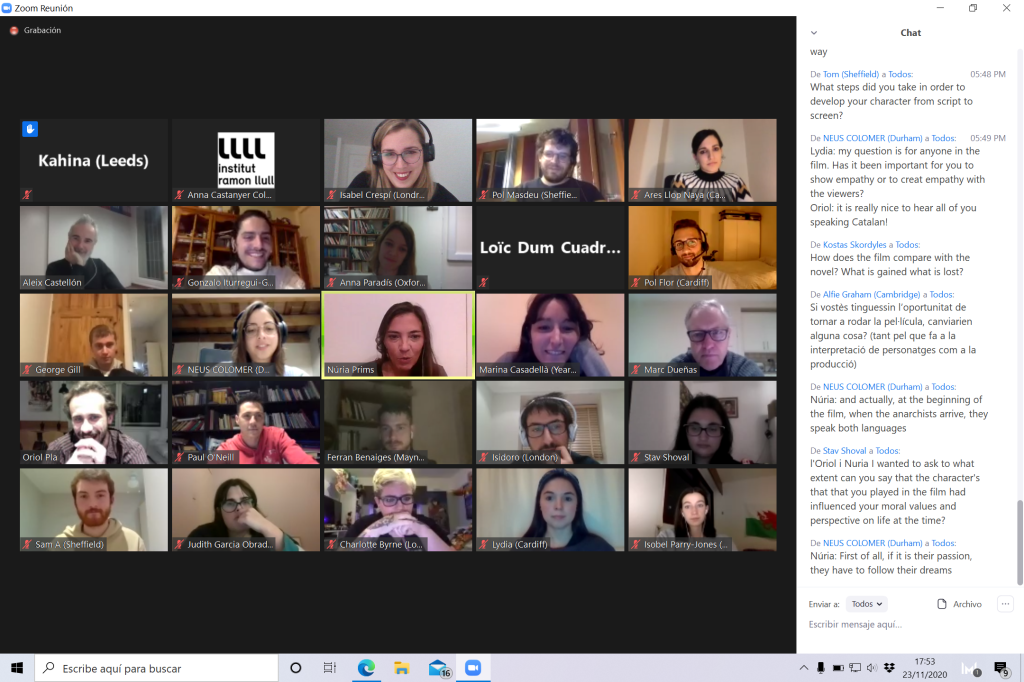
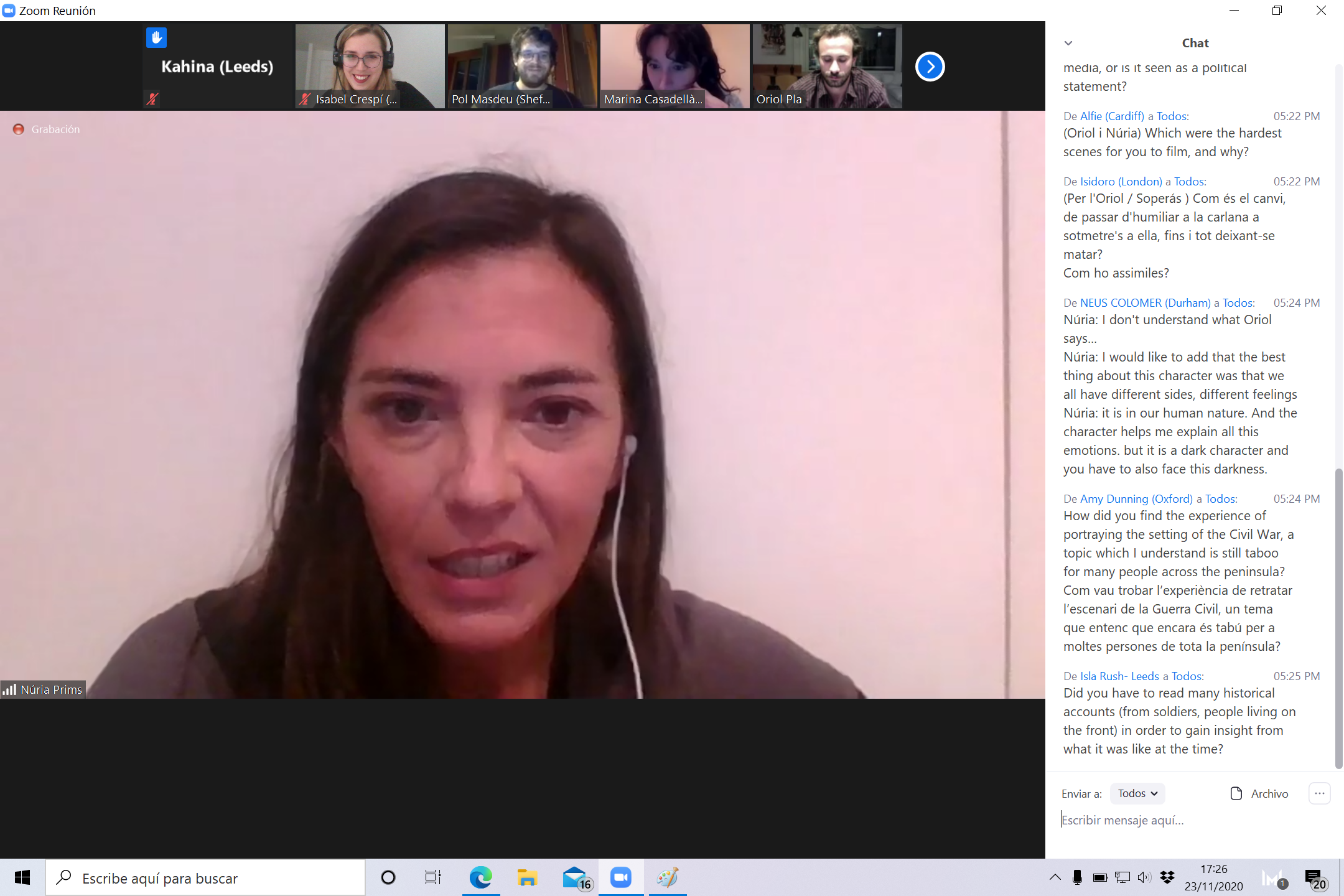
On Monday 23rd of November our Catalan students joined a film discussion about the Catalan film “Incerta Glòria” (Uncertain Glory).
They talked to the actors Oriol Pla (“Juli” in the film) and Núria Prims (la “Carlana”), and also to the producer, Aleix Castelló. Actually, the first questions were posed by students from Queen Mary University of London. They asked the actors and producer questions about their characters, the Spanish civil war, feminism, the challenges of acting, Catalan cinema etc.







 CENTRE FOR CATALAN STUDIES (Queen Mary University of London)