
On 13 September, several scholars and journalists gathered at Queen Mary for the conference “Catalan Media: Past and Present”, organised by the Centre for Catalan Studies.
After an introduction by Professor John London, Director of the Centre for Catalan Studies, the event was divided into three blocks, the first of which was devoted to Historical Perspectives. Dr Richard Huddleson’s talk, “Re-Assessing Identity in Ressorgiment: Youth(ful) Politics and (Post)Colonial Entanglements”, focused on the results of a research conducted in the Casal de Catalunya in Buenos Aires, and the Catalan collection at the New York Public Library, on the origins of this publication in the Diaspora. On the other hand, Dr Àngel Cano centred on the subject of literary journalism and more specifically on Joan Fuster’s work in this field, especially in the publication Serra d’Or.
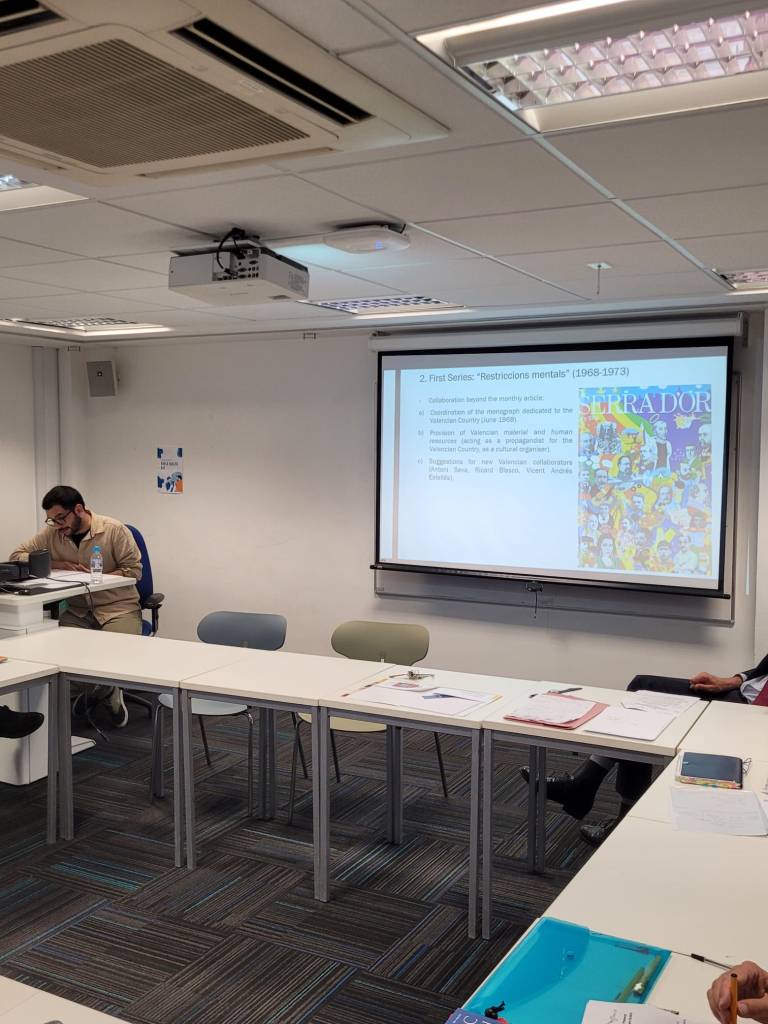
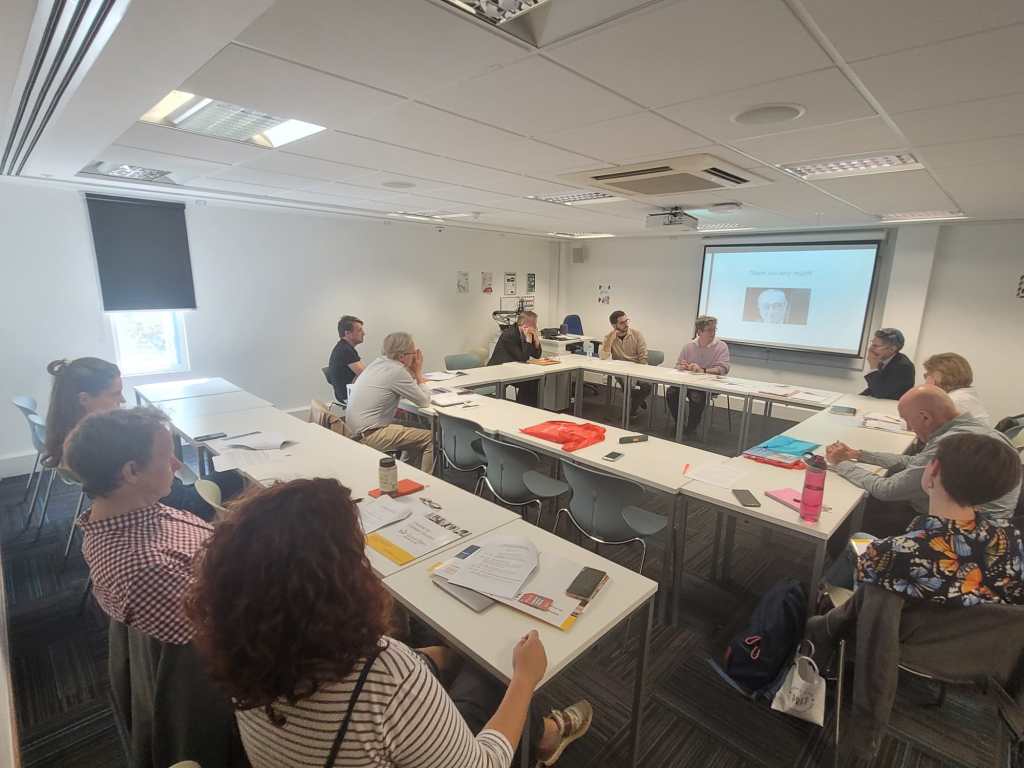
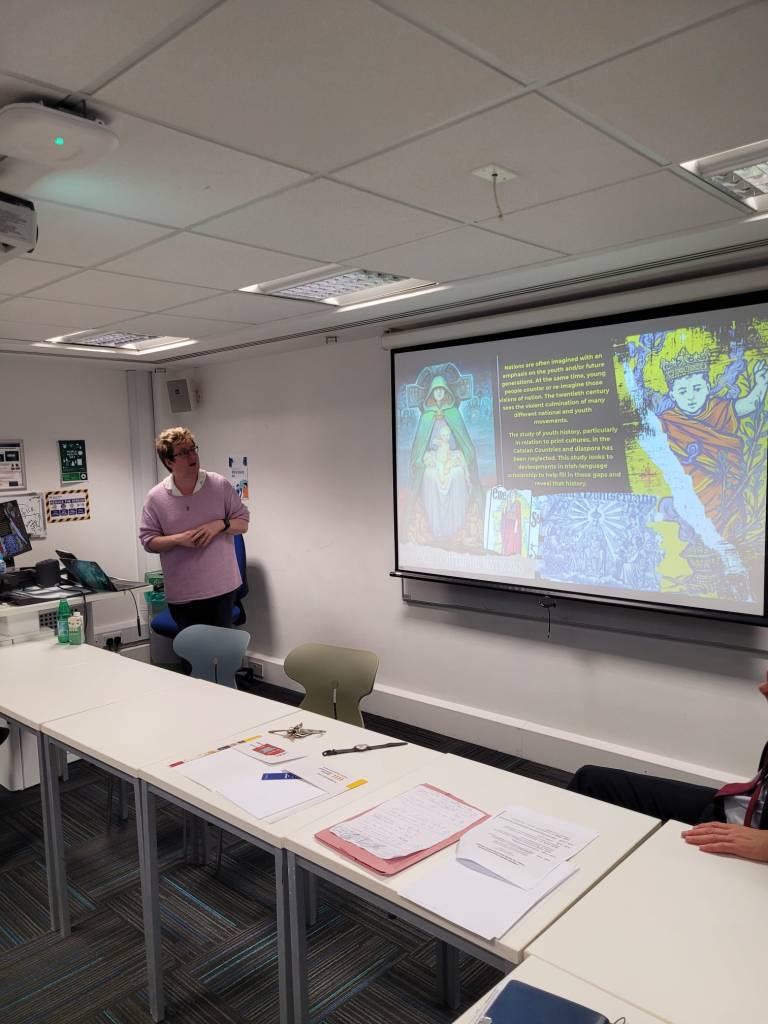
The second block, called Representing the Media and Representing Countries, began with Dr Christopher D. Tulloch’s talk, which offered a general view of where Catalonia stands today from a media standpoint. Vicent Partal followed and explained the project of Vilaweb, nearly 30 years after this digital news outlet was launched, including its history and processes of adaptation and innovation. Dr John Geraint’s talk, “Representing Wales”, traced the evolution of how Wales has appeared on screen throughout the years, which led to an interesting discussion and comparisons between the situation in Wales and in the Catalan-speaking territories. To conclude this block, Craig Willis focused on social networks, and more specifically on the use of TikTok by media institutions, offering an overview of Catalan, Galician and Basque outlets.
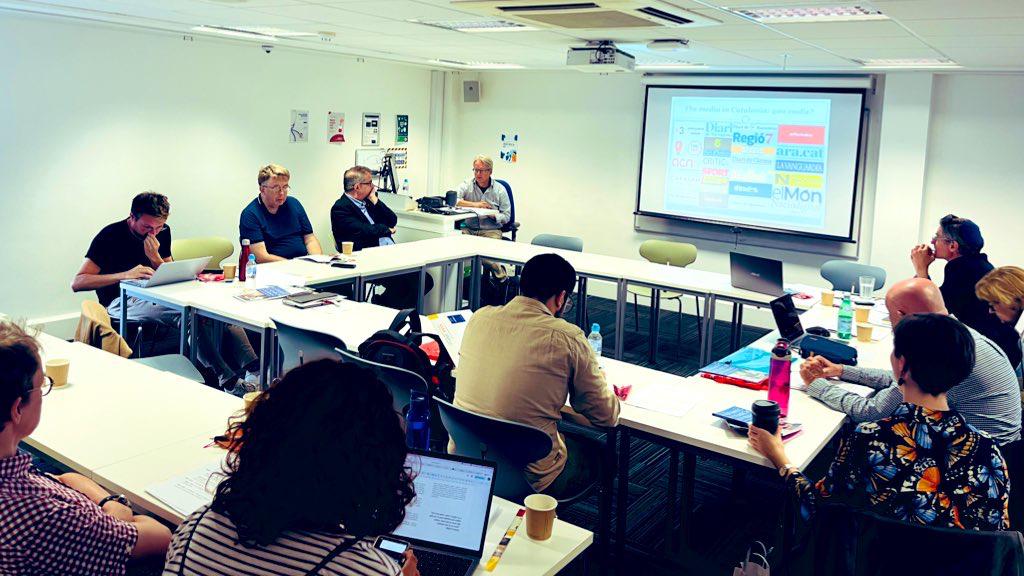
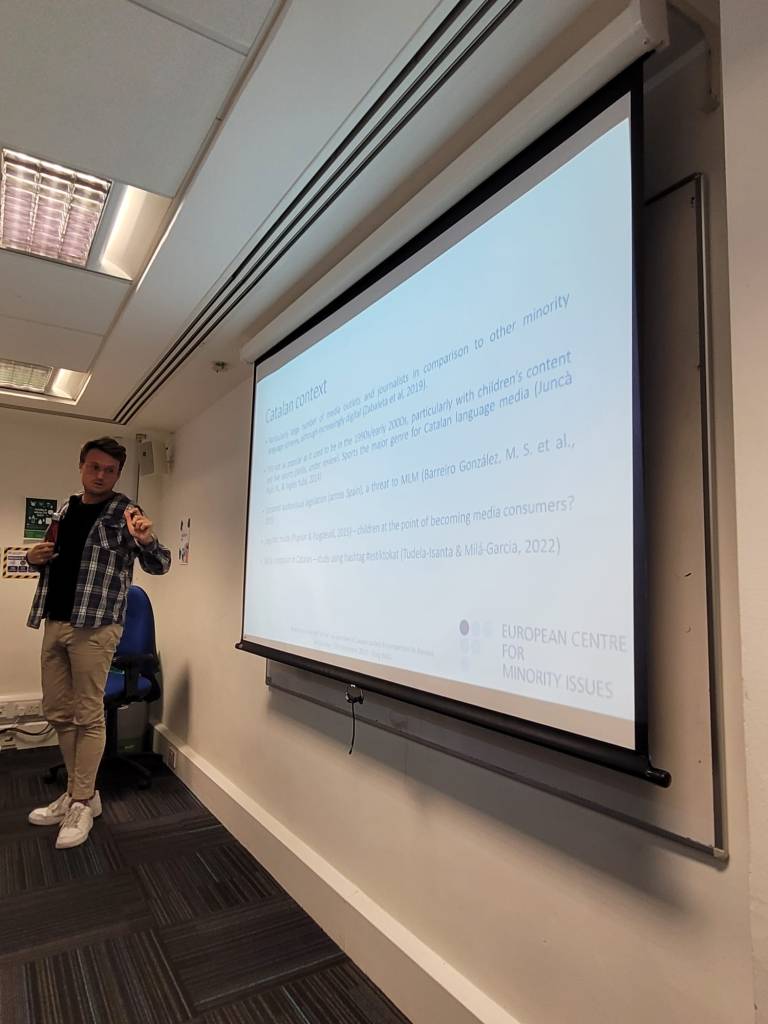
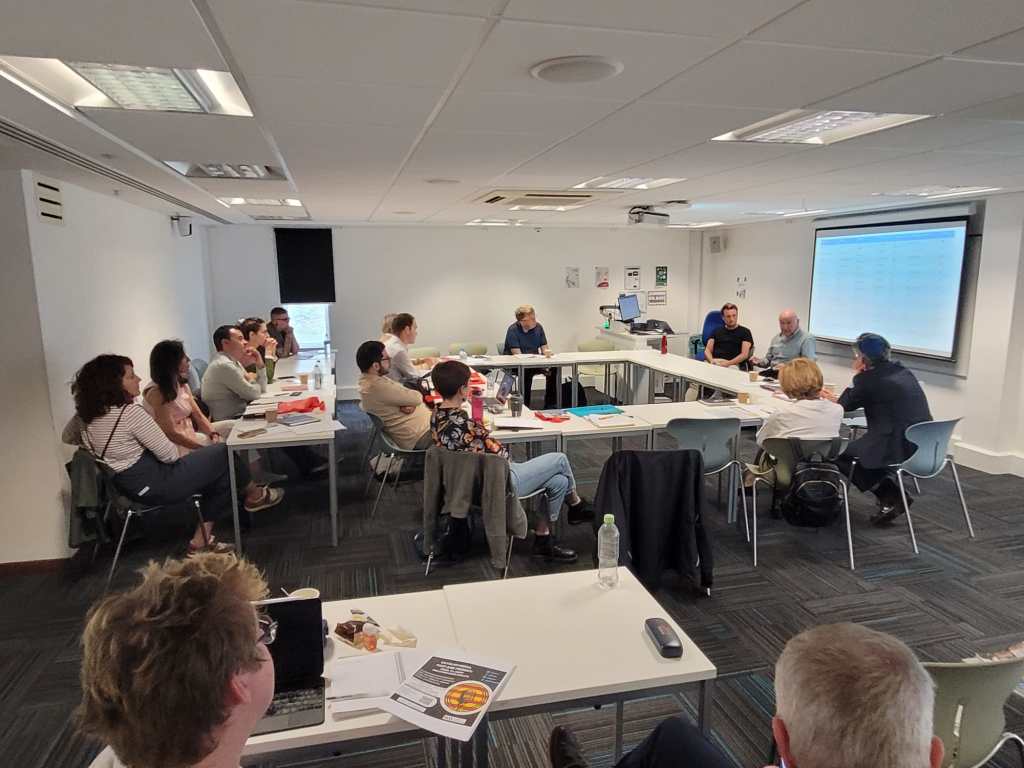
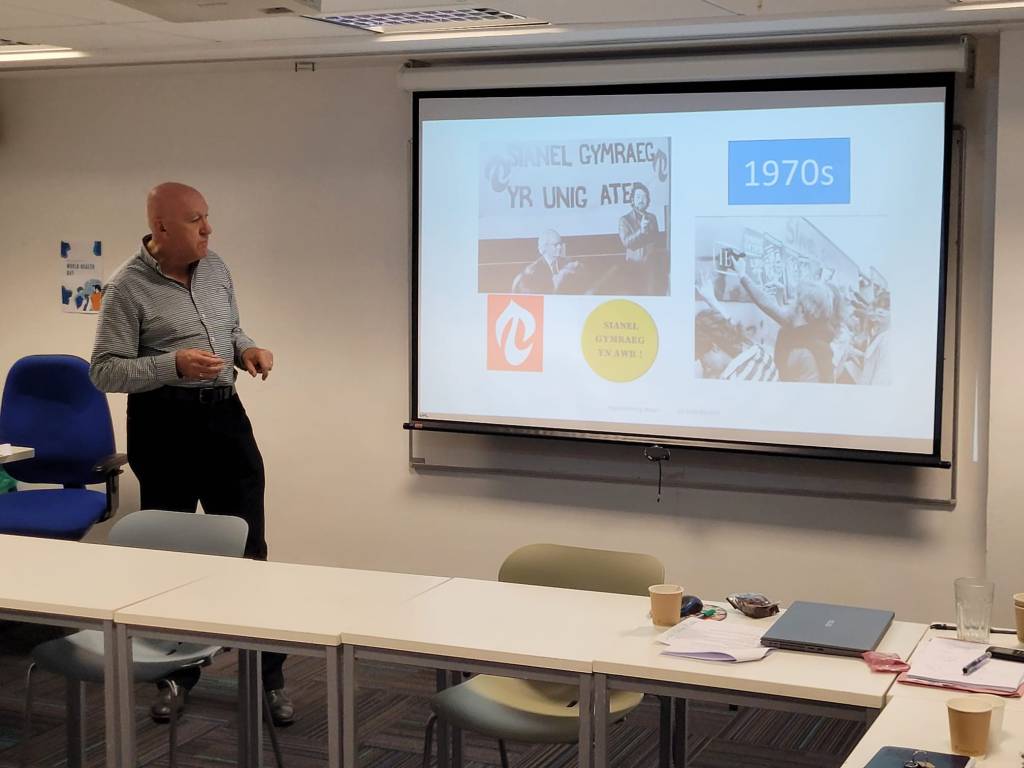
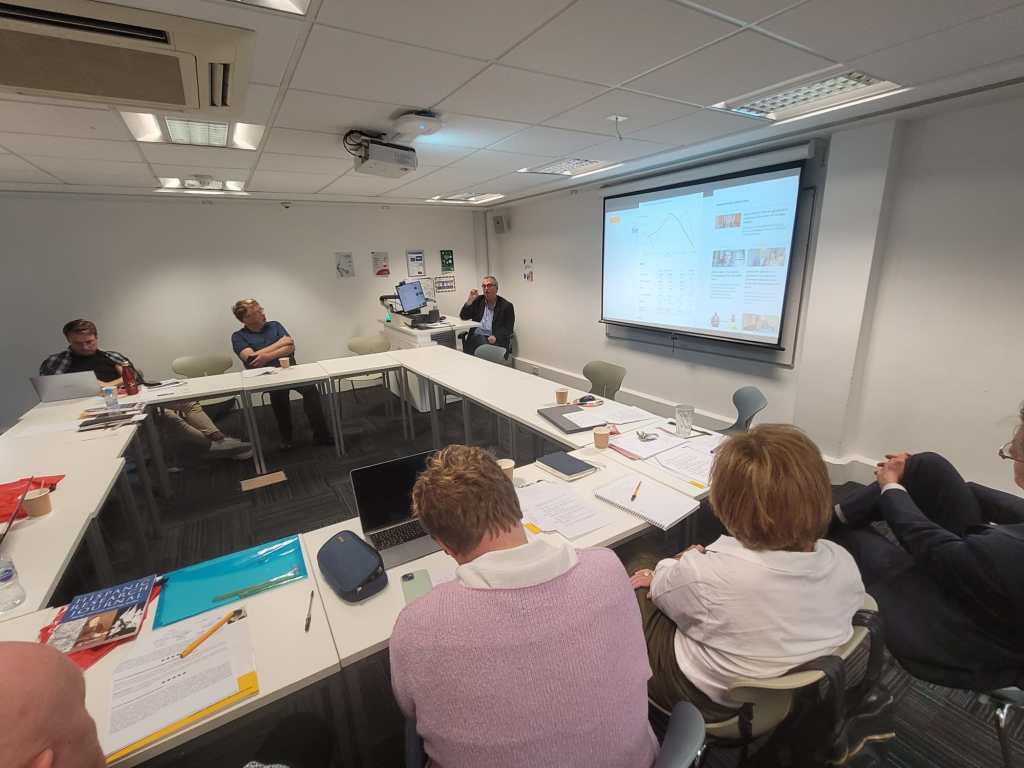
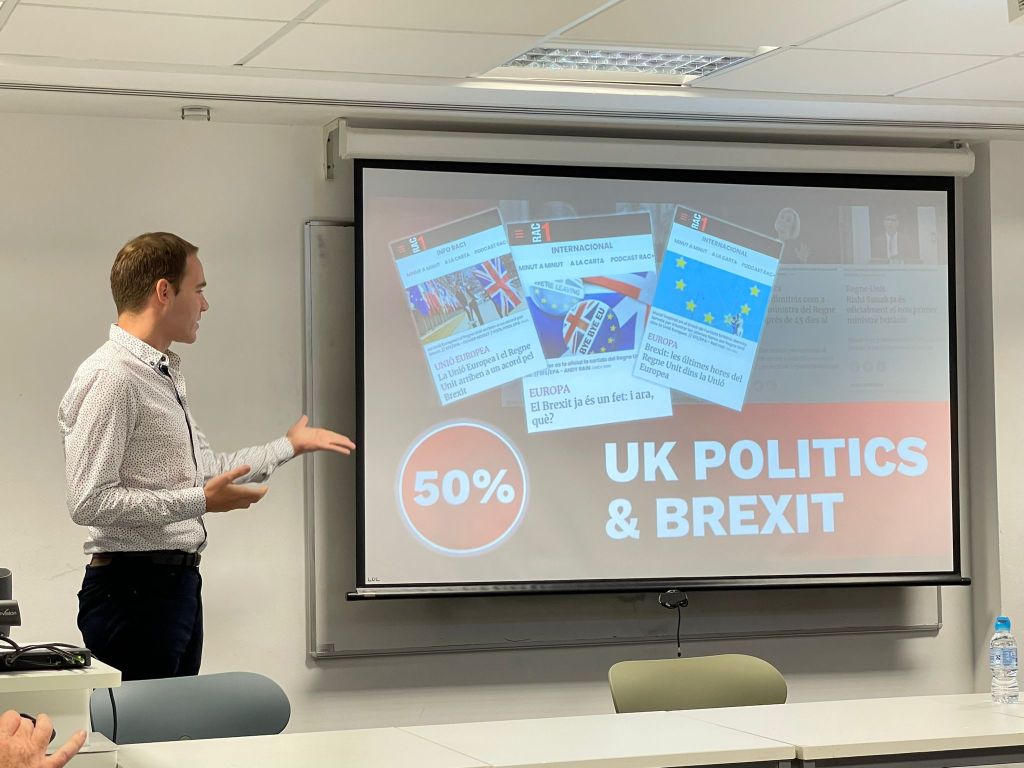
Last but not least, the block devoted to Personal Accounts included Cristòfol Tripiana’s view of the Valencian Media Corporation as a proofreader, Sergi Forcada’s comparisons between British media coverage of Catalonia and Catalan media coverage of the UK, Ainhoa Paredes’ focus on the hectic life and work of a news correspondent for Spanish outlets not only in the UK but also in another countries, and Coia Ballesté’s talk on the CCMA, the Catalan Media Corporation, and the way it operates. All these talks resulted in very interesting comments and reflections during the Q&A time.
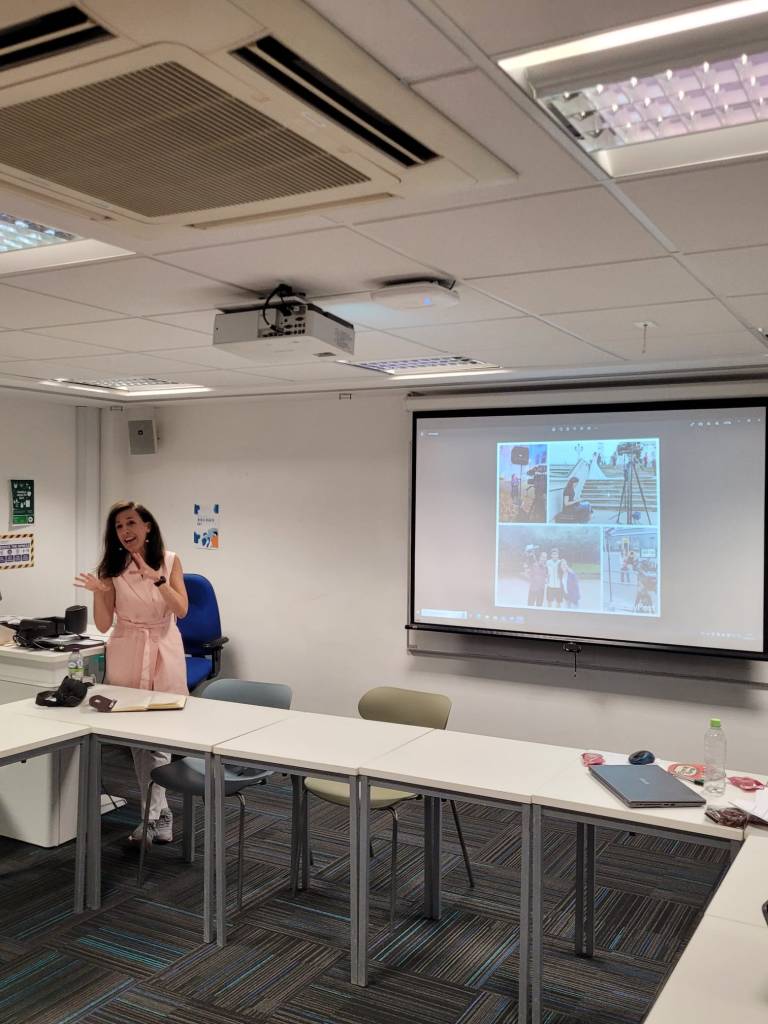
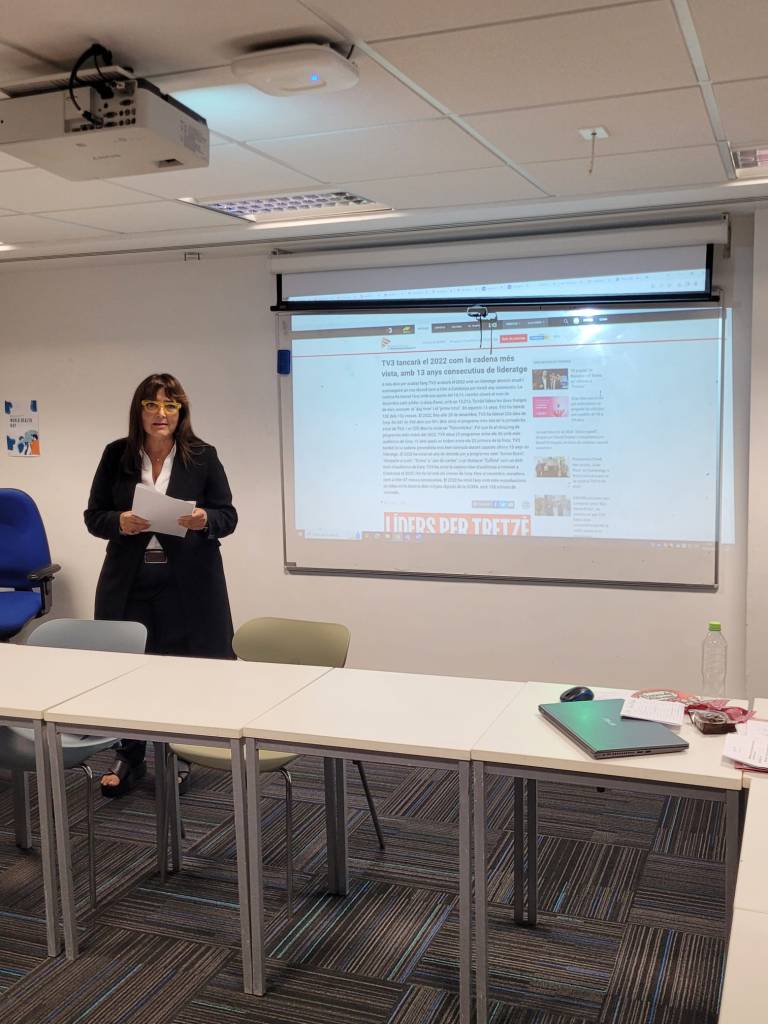
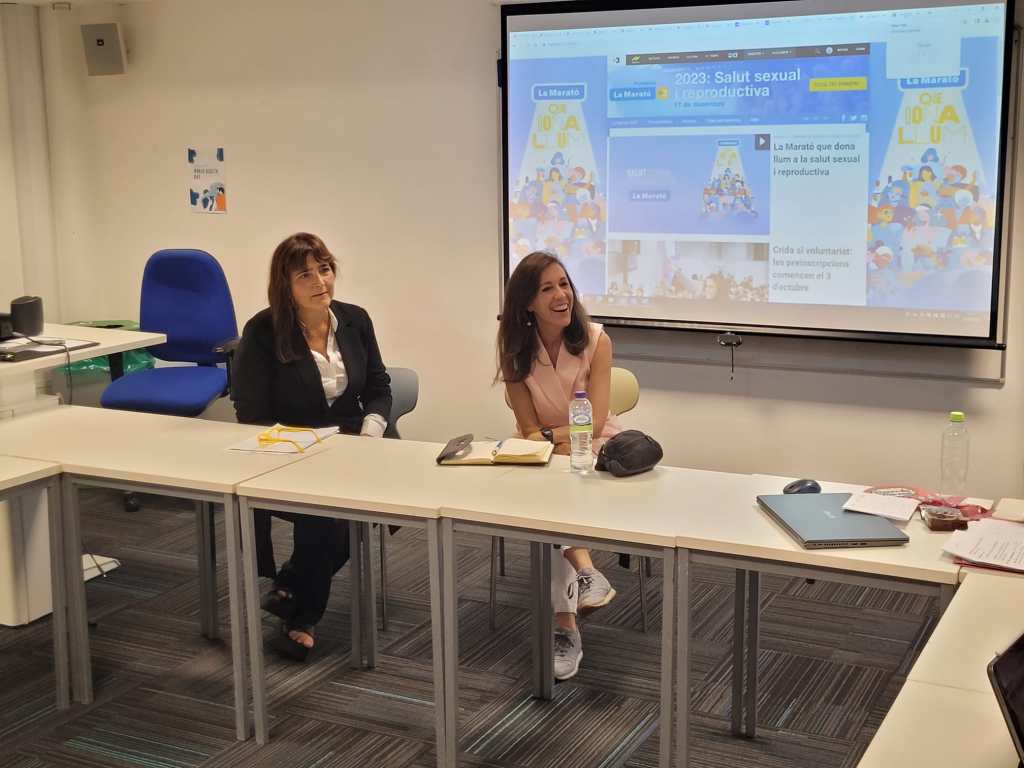
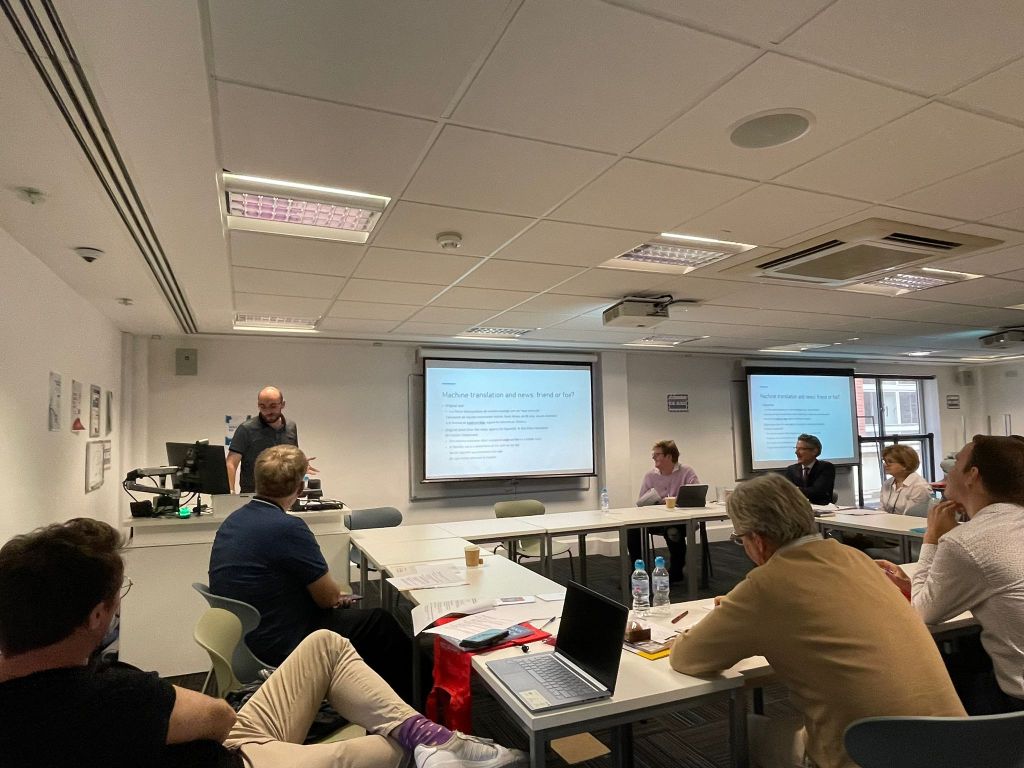
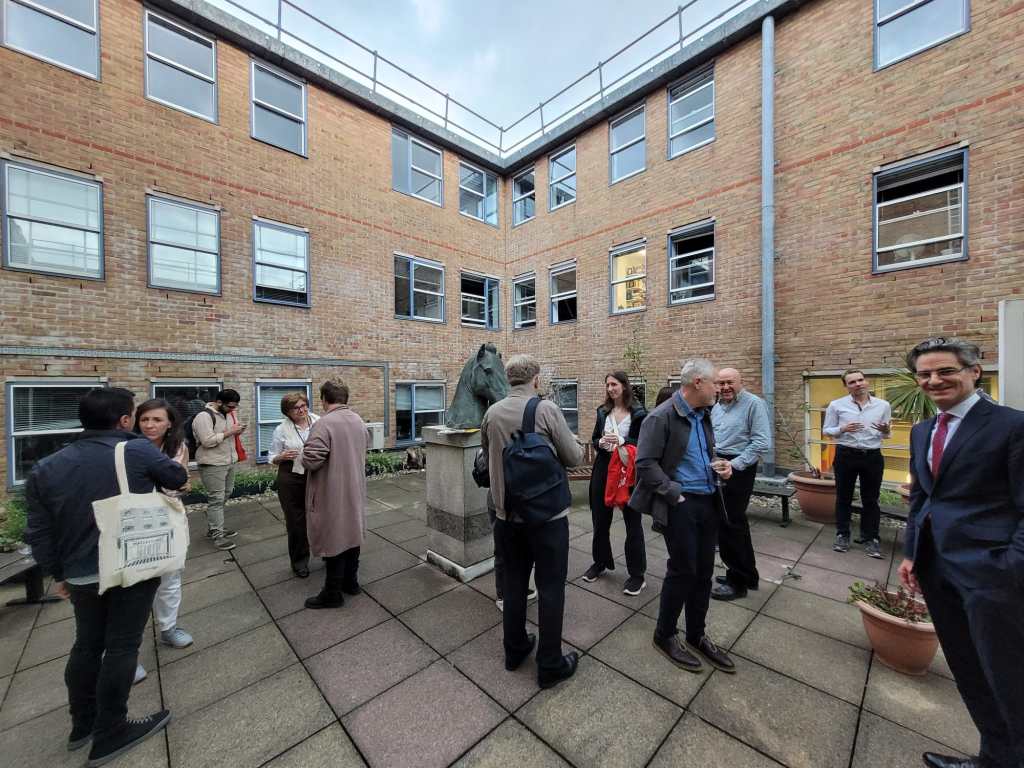
The event ended with a reception in which the participants and attendees could continue sharing opinions on the current state and the future of Catalan media after a constructive day of discussion.
You can find the full programme of the conference below:


